They handed me a logo. That was the brand. The products existed, barely, still in testing, and there was nothing to show anyone.
Everything, starting from a logo
No website, no packaging, no photography, no accounts, no listings, no category presence of any kind. I built all of it. That is either the best or the worst way to learn a category depending on which week you ask me, and it is the reason I will never again believe a brand problem is only a brand problem.
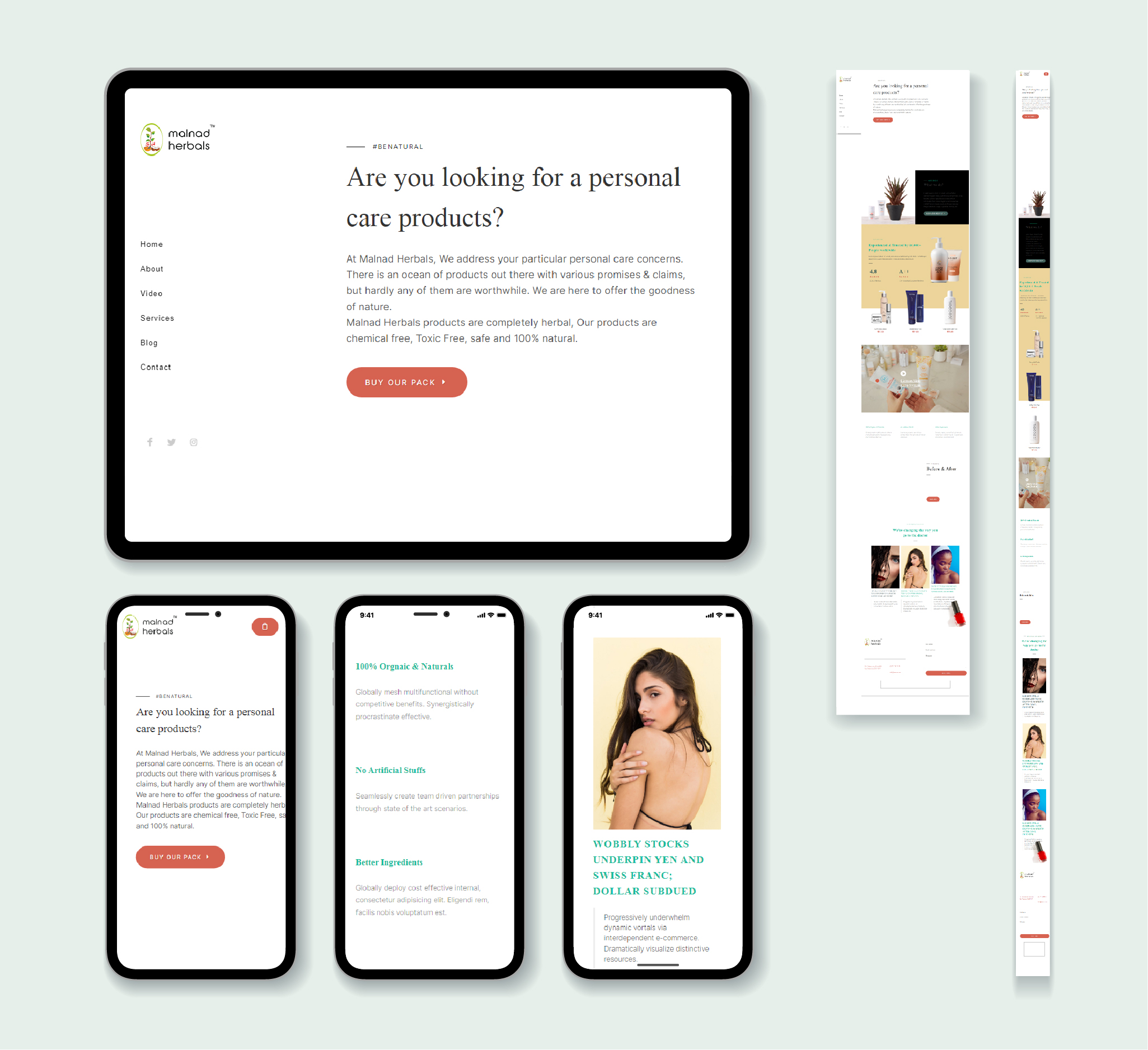
The website, and every account
I designed and built the site, then opened and grew every social account from zero. A brand with no audience has no distribution, and a brand with no distribution is just a design project with nicer photographs. Getting the first people to care is a different discipline to making the thing look right, and both had to happen at the same time with nobody else to hand either one to.
The product before the marketing
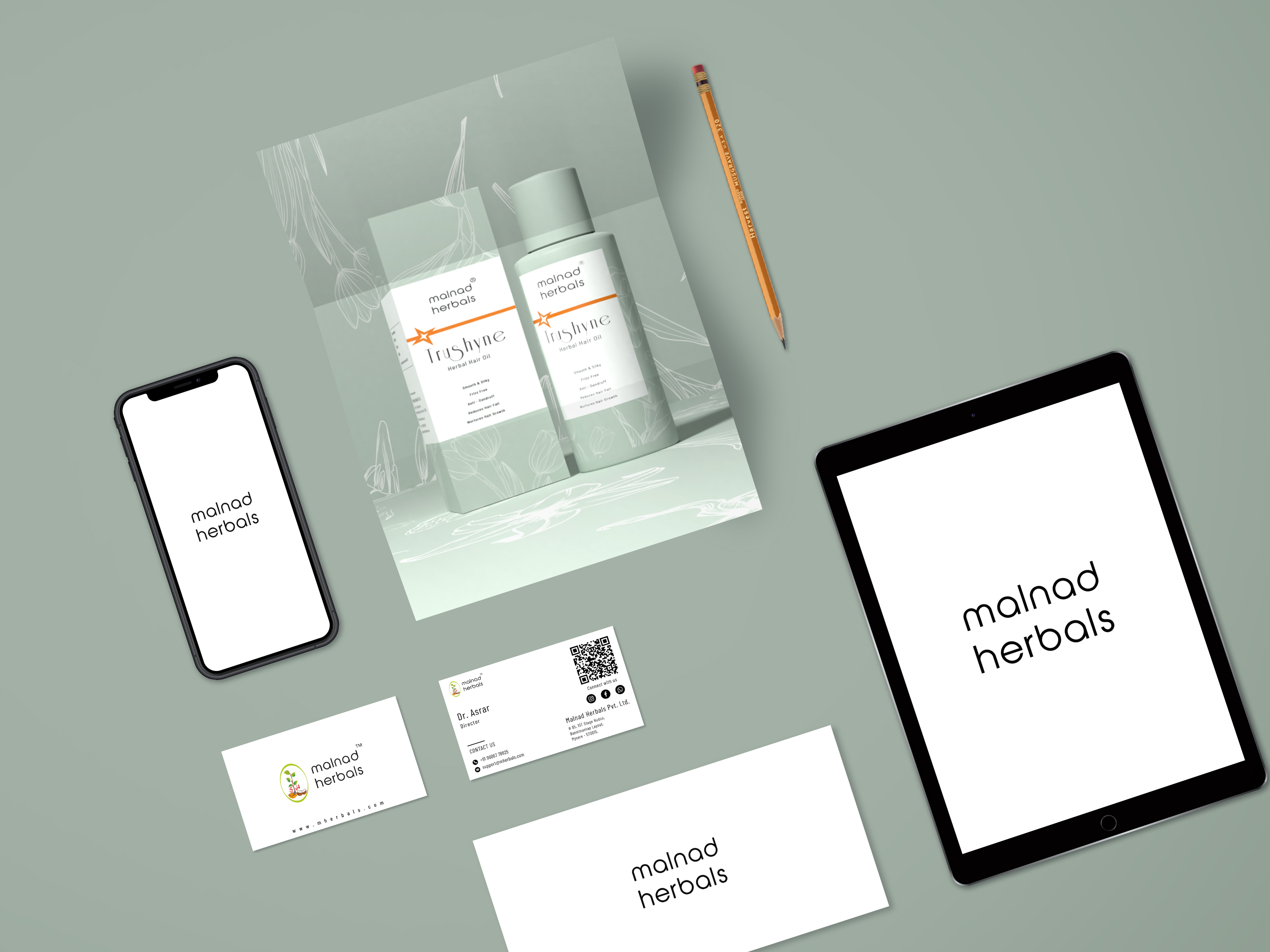
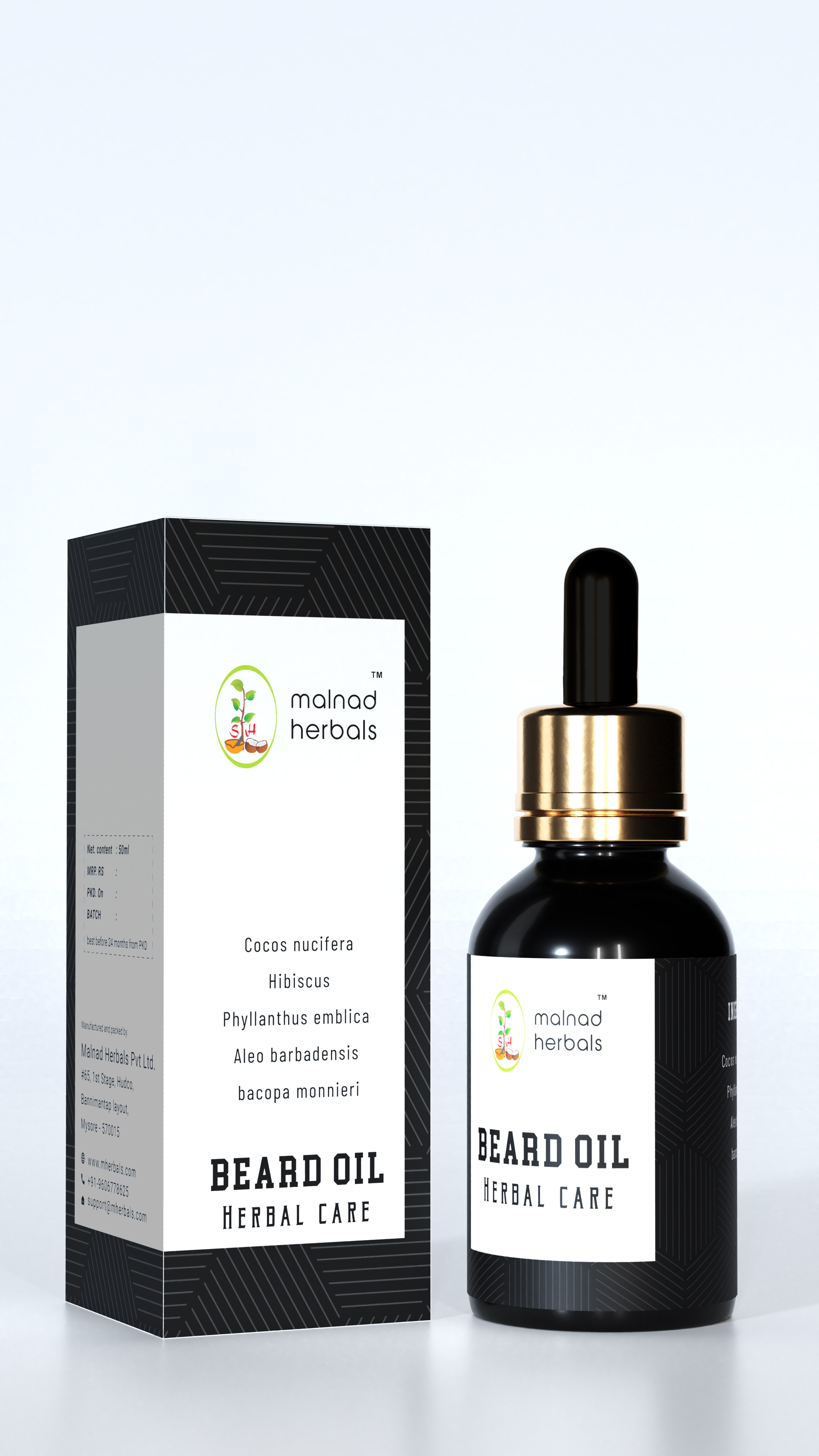
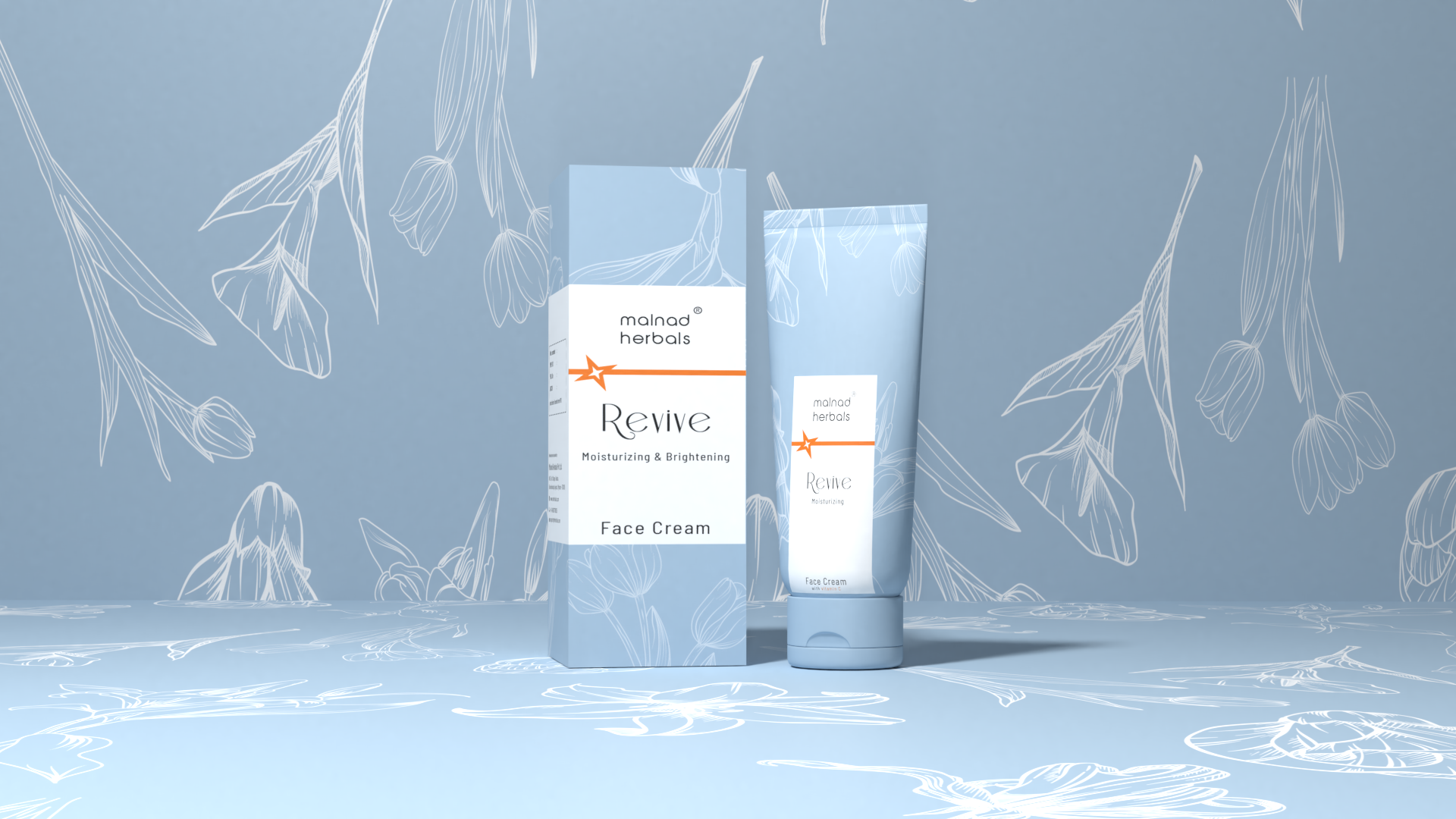
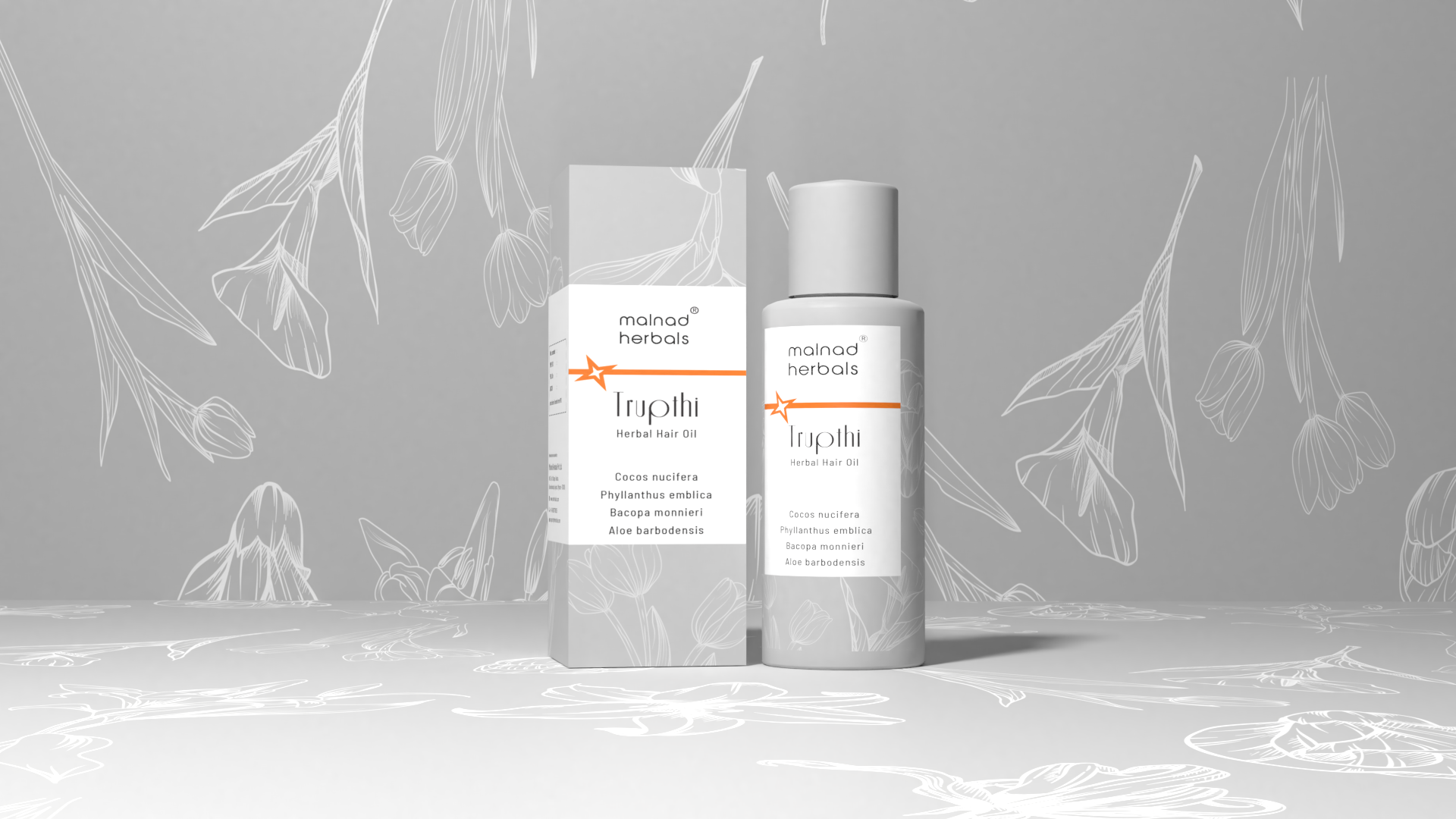
I designed the products themselves, not just the campaigns pointed at them. Natural, vegan and cruelty free are claims a customer has to believe in about two seconds while holding a bottle next to a competitor, so the packaging had to carry the whole ethical position on sight and still read at thumbnail size in a feed.
The factory floor
I spent more time in package printing factories than in a design tool. Going back and forth on proofs, standing over runs, checking boxes coming off the line and rejecting the ones that looked correct on a screen and wrong in a hand. Nothing teaches you what a brand actually is faster than watching one get manufactured badly.
Rendering what did not exist yet
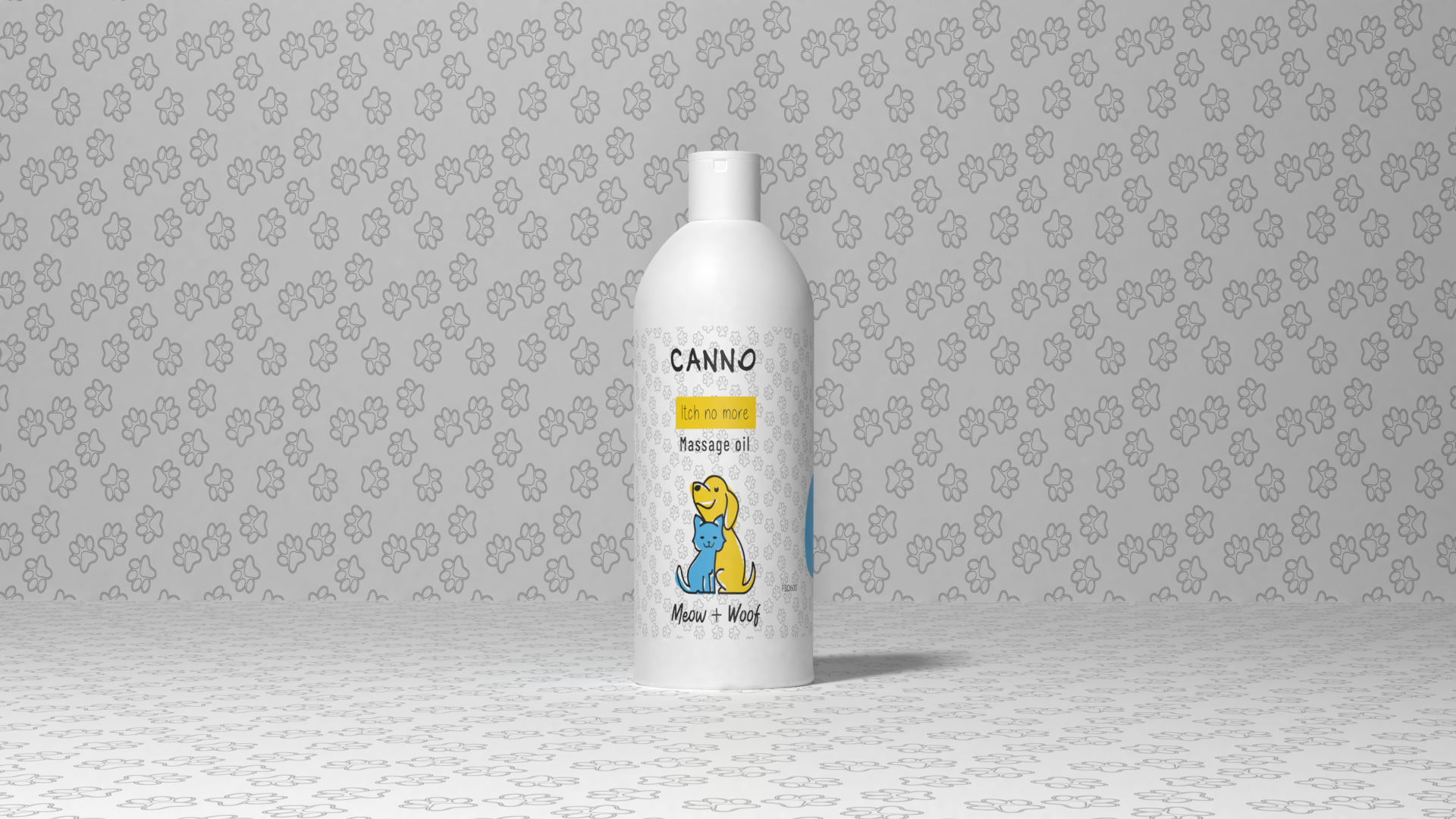
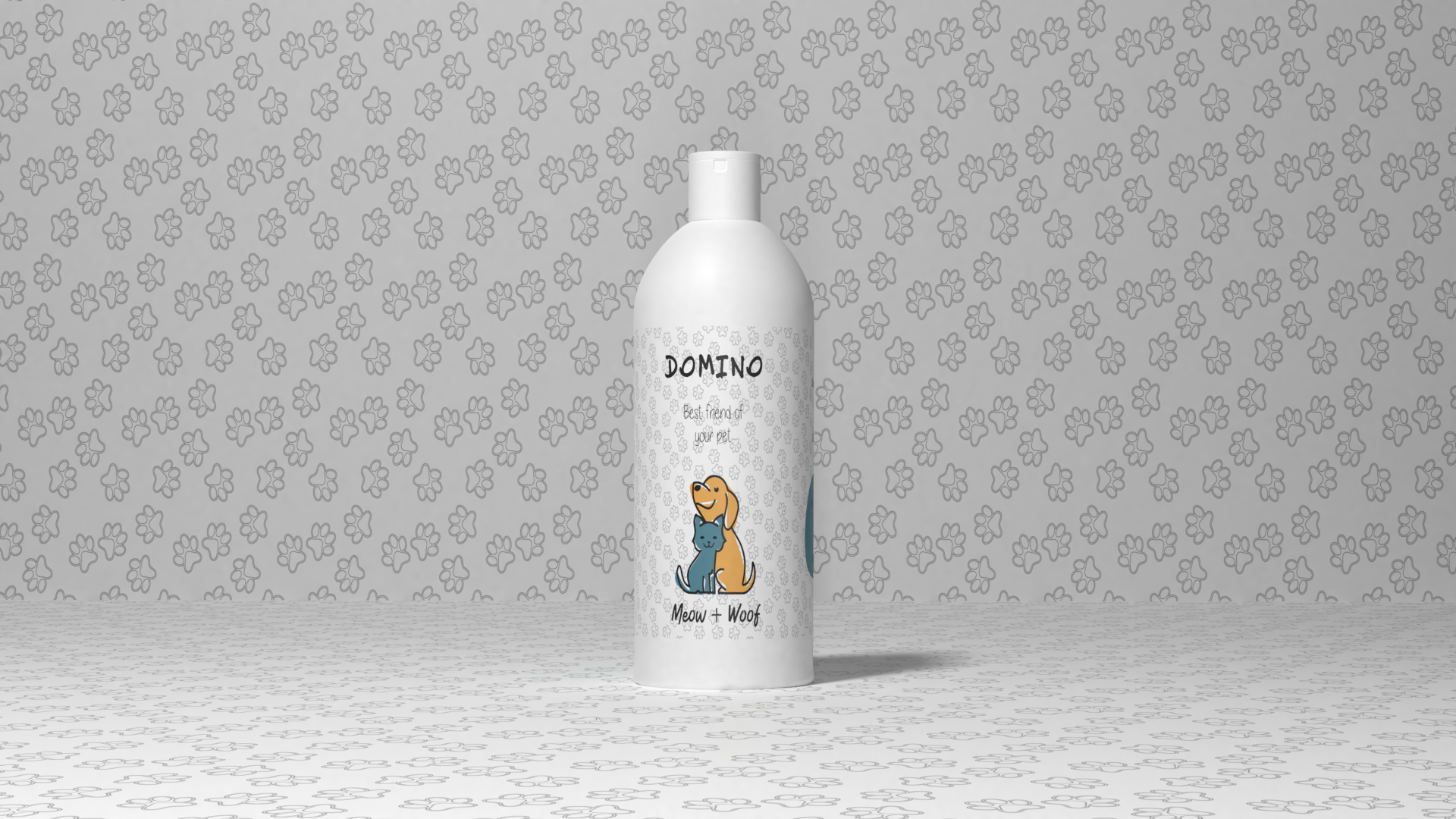
The range was still in testing, so there was nothing to photograph and no budget to wait. I built the products in Blender and rendered the whole line before the line was real. The launch creative shipped ahead of the product, which is the only reason the launch happened when it did.
Selling on somebody else's platform
I set the brand up across Amazon, Flipkart and Meesho and owned the listings end to end. Marketplaces do not reject you politely. A listing that trips a compliance check simply stops existing, so the packaging had to satisfy each platform's rules as well as the customer, and every claim on a label had to be one we could actually stand behind.
The box nobody designs
Then the outer shipping cartons, which almost nobody treats as brand and which is the first thing a customer physically touches. They had to survive a marketplace courier, carry the identity when they arrived intact, and cost little enough that the unit economics still worked after the platform took its cut. Three constraints pulling against each other, settled on a factory floor rather than in a review.
The programmes on top
Only once all of that existed did the paid and social programmes go on top, built to turn attention into a second purchase rather than a first one. A consumer brand that only ever wins the first order does not survive its own ad budget.
Consumer taught me unit economics the hard way. Every rupee of spend had to come back, and the dashboard said so within the week. I have run every channel since with that clock in my head.
A closer look at the work. Drag to rearrange, tap any piece to view it up close.
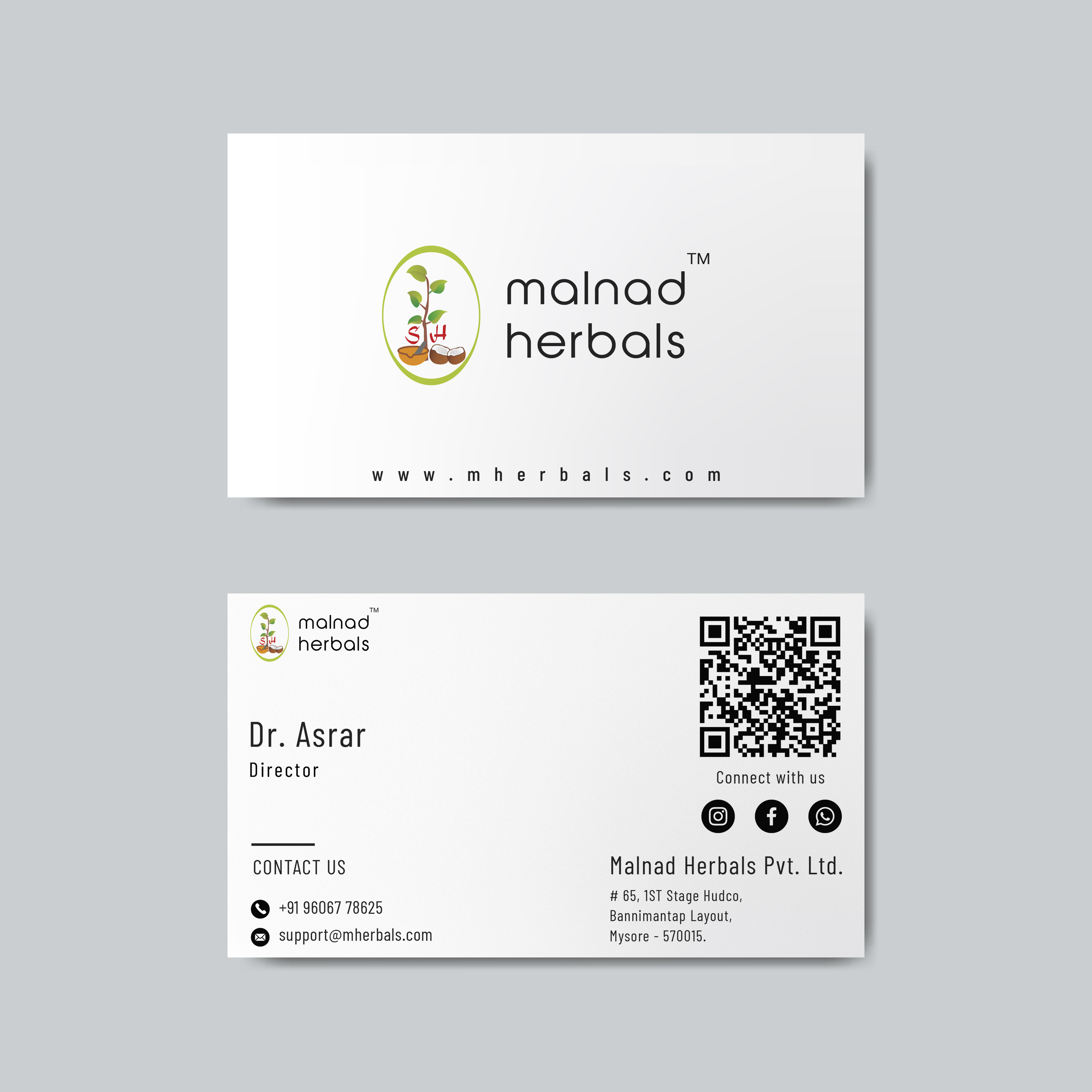
Malnad Herbals
Selected design
Malnad Herbals
Selected design
Malnad Herbals
Selected design
Malnad Herbals
Selected design
Malnad Herbals
Selected design
Malnad Herbals
Selected design
Malnad Herbals
Selected design

Malnad Herbals
Selected design

Malnad Herbals
Selected design
Malnad Herbals
Selected design
Malnad Herbals
Selected design
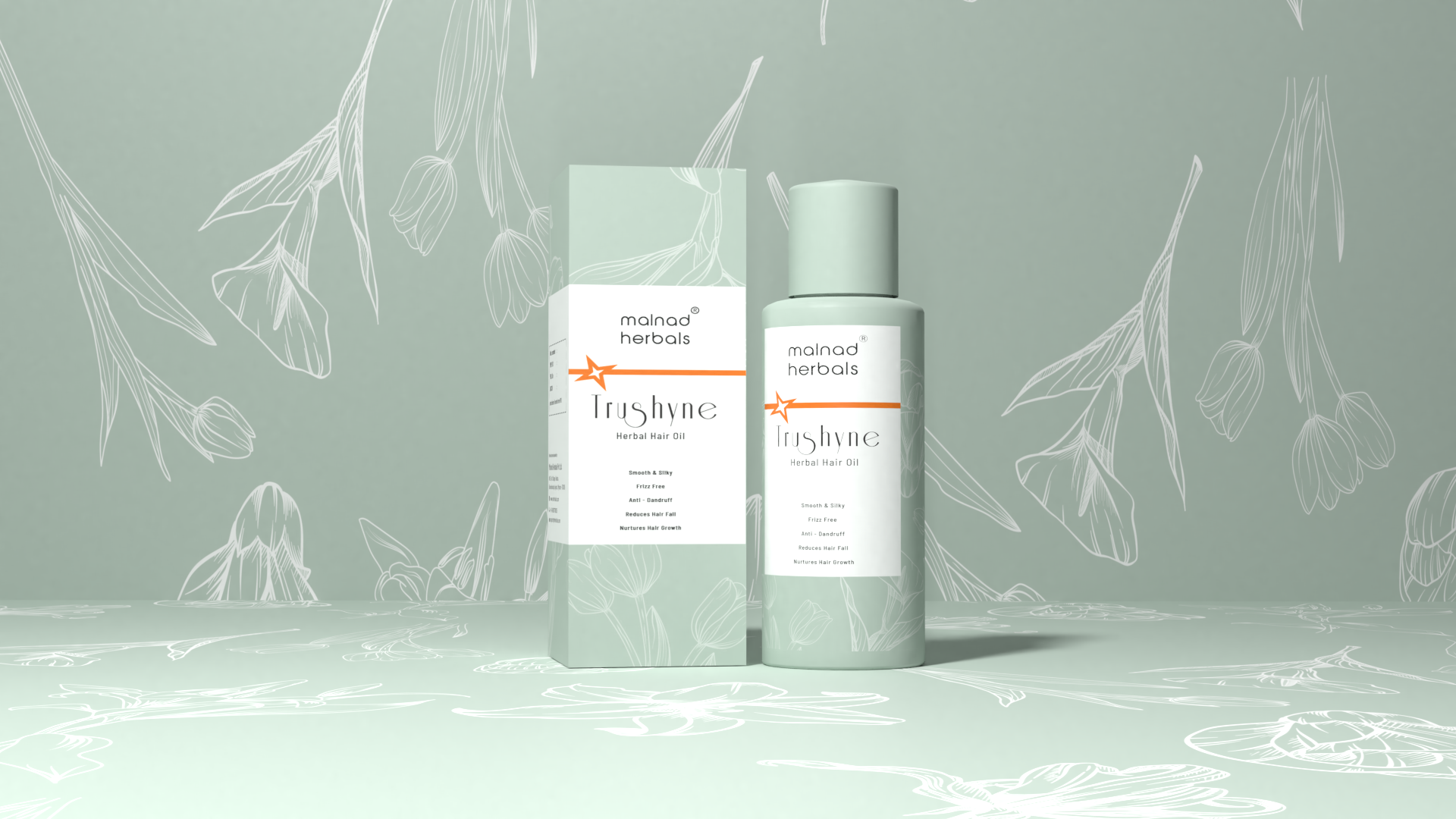
Malnad Herbals
Selected design
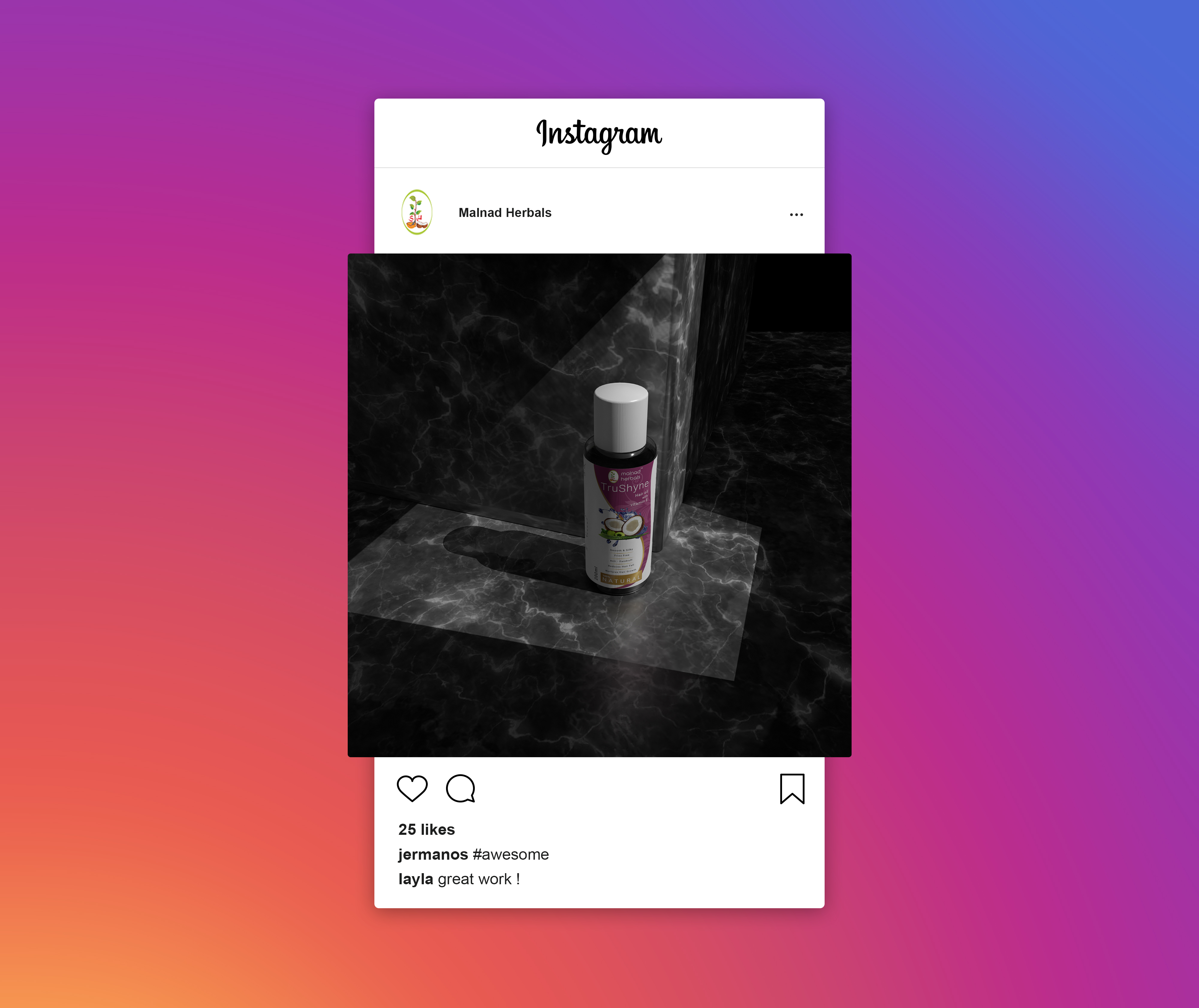
Malnad Herbals
Selected design
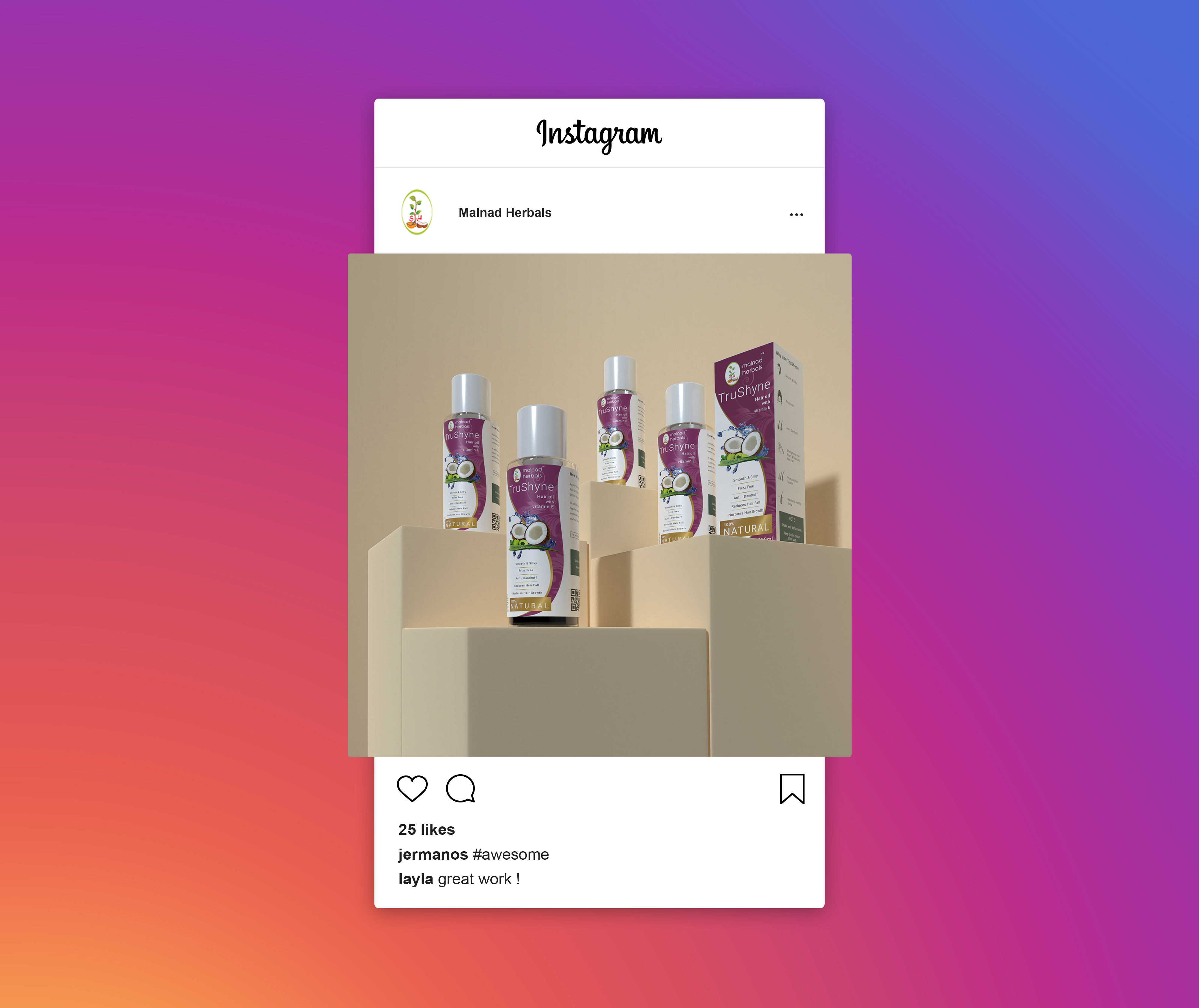
Malnad Herbals
Selected design
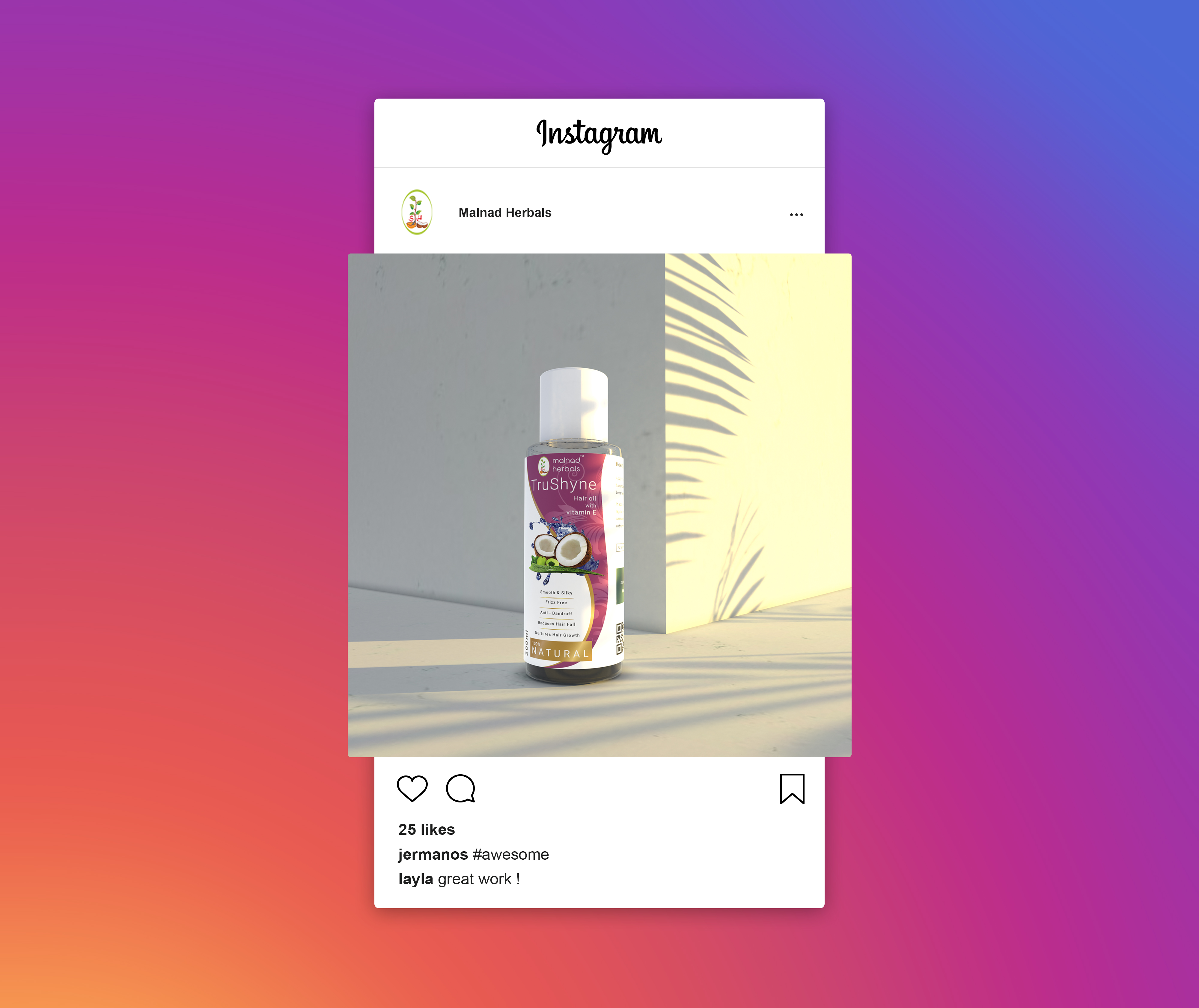
Malnad Herbals
Selected design
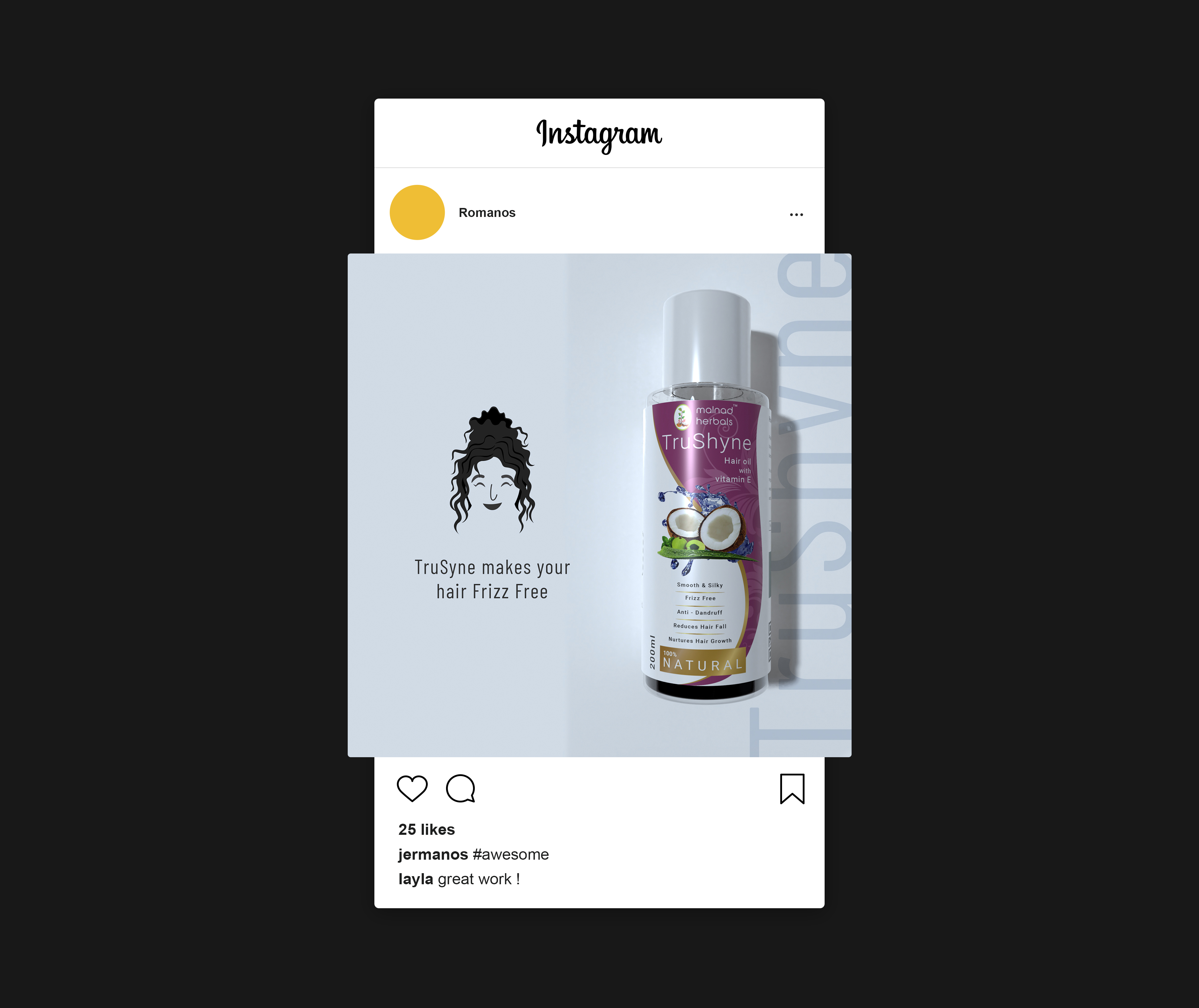
Malnad Herbals
Selected design